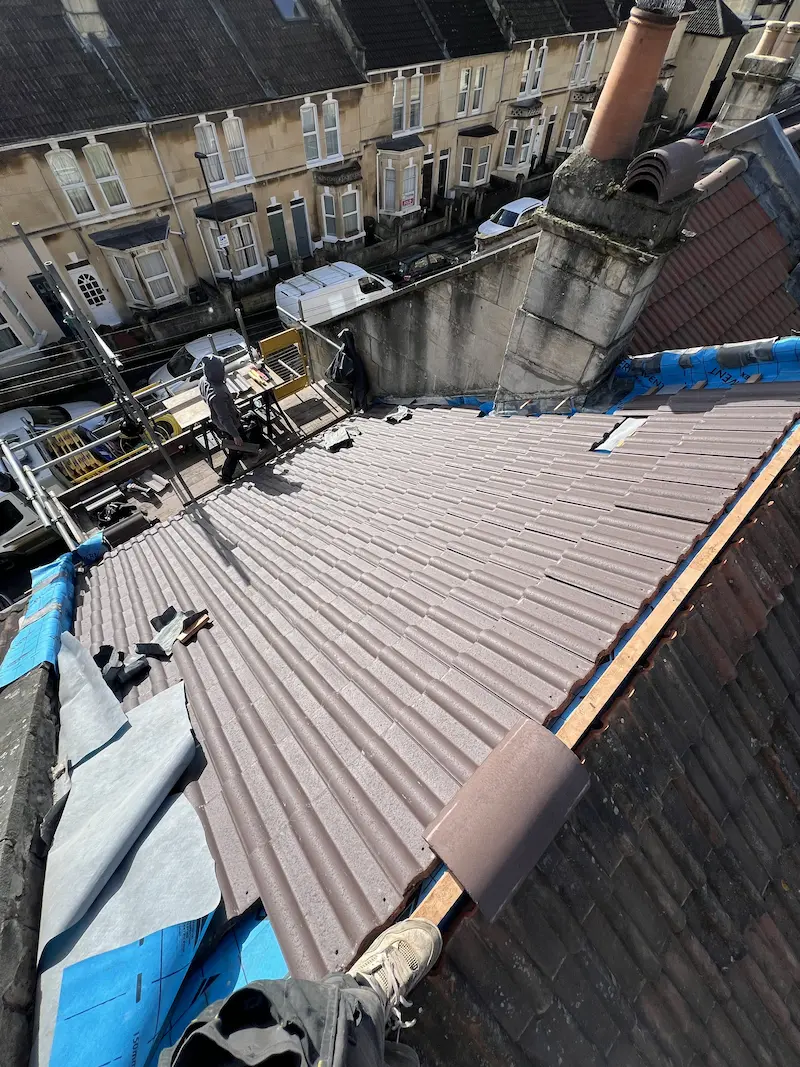
Learn the warning signs that may point to emergency roof repairs, including leaks, sagging areas, storm damage, and flashing issues.
Roof problems usually build quietly before they turn serious. A small ceiling mark after rain. A loose tile near the gutter that nobody notices for weeks. Then another storm arrives and suddenly water starts appearing indoors where it never did before. Emergency roof repairs often happen because smaller warning signs stayed hidden or looked harmless at the beginning.
Water Stains That Keep Getting Bigger After Every Period of Heavy Rain
Sometimes the first sign is just a faint discoloured patch that appears after bad weather and then seems to fade once everything dries out again. It doesn’t always look serious straight away. A few weeks later though, the area often looks larger, darker, or slightly warped around the edges, especially after repeated rain. That gradual spread usually points to moisture continuing to move through the roof space somewhere above the ceiling. That slow change normally means water is travelling through insulation and timber before finally showing indoors.
Ceiling Marks Usually Mean Moisture Is Travelling
Roof leaks rarely stay in one place. Water often moves along beams and ceiling cavities before becoming visible somewhere else entirely. A stain appearing near one room corner may actually connect to damage much higher up the roof slope. That delay makes the problem look smaller than it really is until repeated rain pushes more moisture through the structure.
Parts of the Roof Look Like They’re Sinking or Starting to Sag in Certain Areas
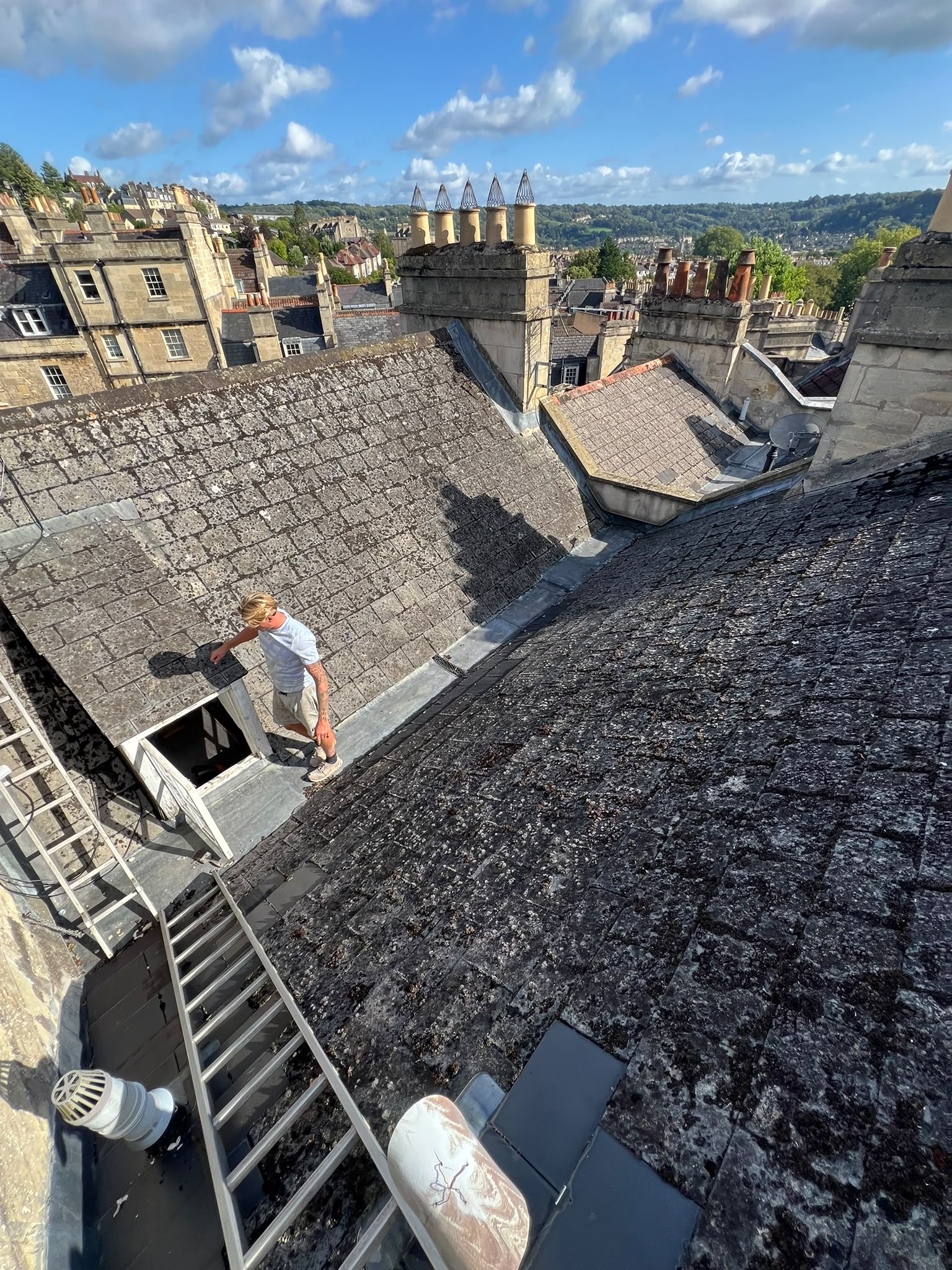
A roofline that looks uneven or slightly sunken can point toward deeper structural strain underneath the surface. Moisture trapped inside roof decking slowly weakens timber over time, especially around areas where rainwater naturally collects. Nothing dramatic at first usually. Just sections that appear lower than they used to. Once sagging becomes visible from outside, the roof may already be carrying more stress than it safely should during storms or heavy rainfall.
Long-Term Water Damage Weakens Roof Support
Timber exposed to moisture repeatedly begins softening underneath the roofing materials. A lot of the damage develops out of sight first, which is partly why sagging roofs sometimes seem to appear suddenly. Timber underneath can stay damp for long periods without anyone noticing until the shape of the roof starts changing from outside. After that, heavy rain, storm debris, and strong wind usually put extra strain on the weaker areas. Once the structure begins shifting even slightly, the problem rarely stays stable for very long.
Water Starts Dripping Inside the House During Heavy Rainstorms
Indoor dripping during storms usually means the roof has already developed an opening large enough for water to bypass several protective layers. Sometimes leaks appear suddenly after strong wind damages shingles or flashing. Other times the issue builds slowly until heavier rain finally exposes it. The visible dripping itself is often only part of the damage because water can spread through insulation and ceiling spaces long before anyone notices it indoors.
Active Roof Leaks Rarely Stay Small
A small leak doesn’t always stay small once moisture settles into the materials behind the ceiling. Insulation holds onto water surprisingly well, which means dampness often continues spreading quietly after rainfall has already stopped. Over time, nearby timber and plaster usually start reacting to that moisture too. By the time ceilings begin bubbling or cracking visibly, the leak has normally been active for much longer than expected.
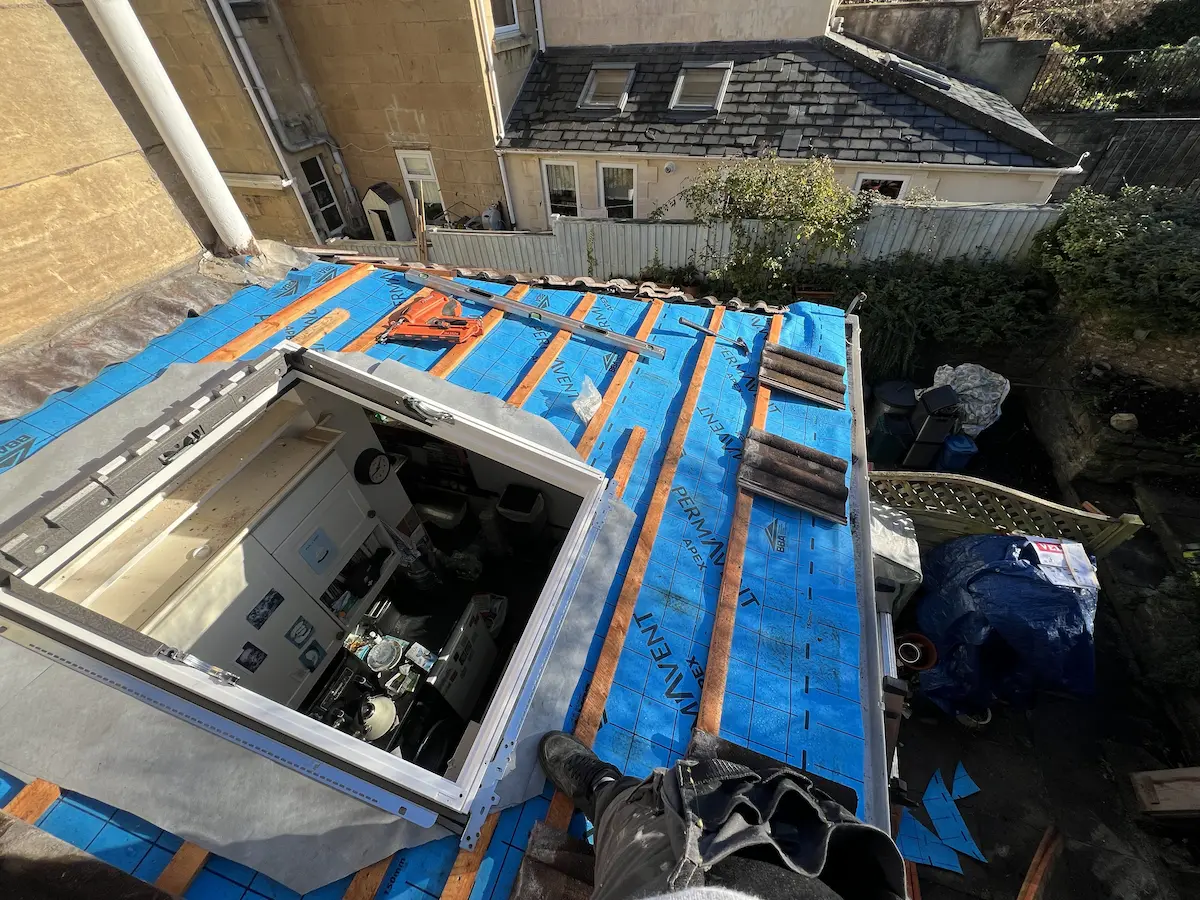
Flashing Around Chimneys, Skylights, Or Roof Vents Looks Damaged
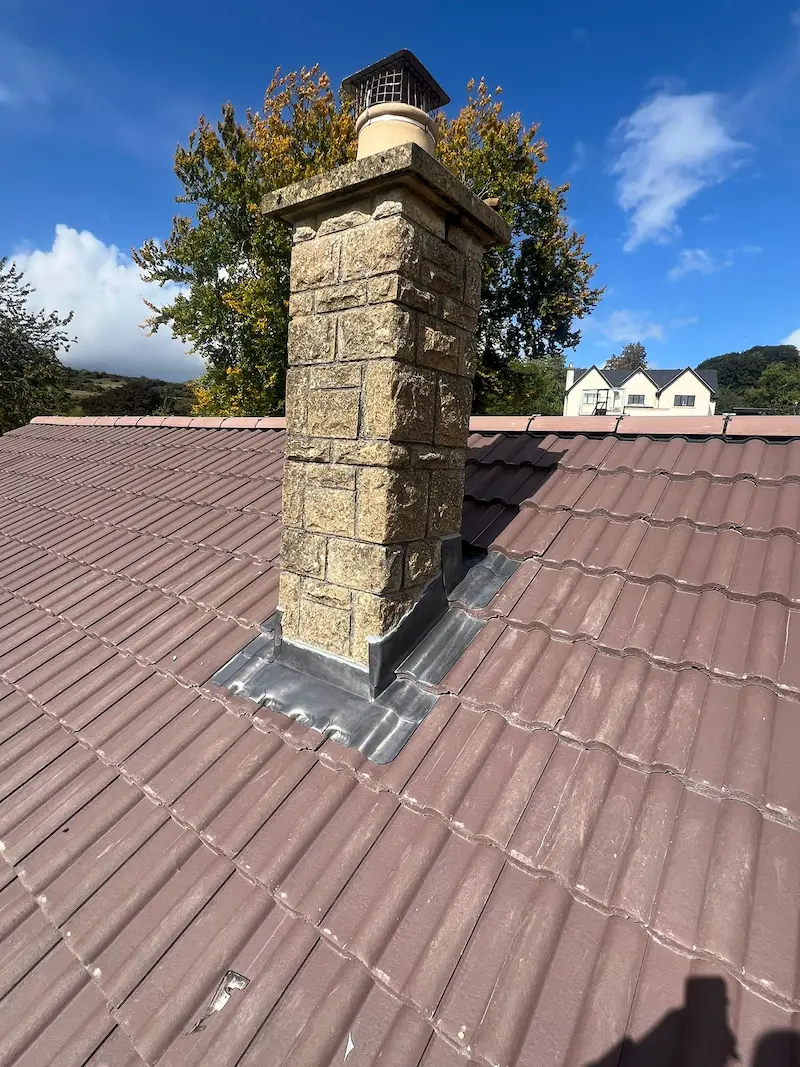
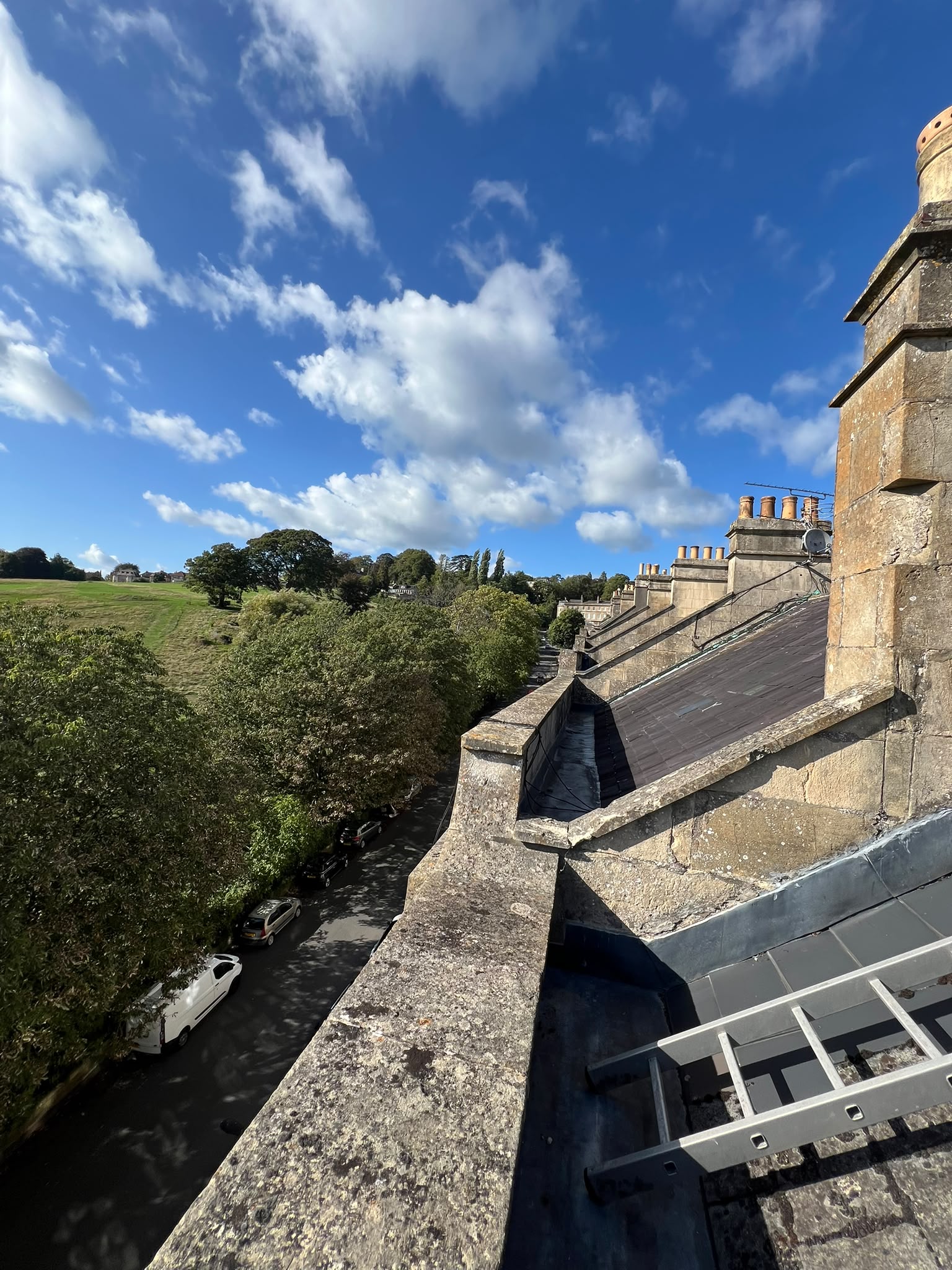
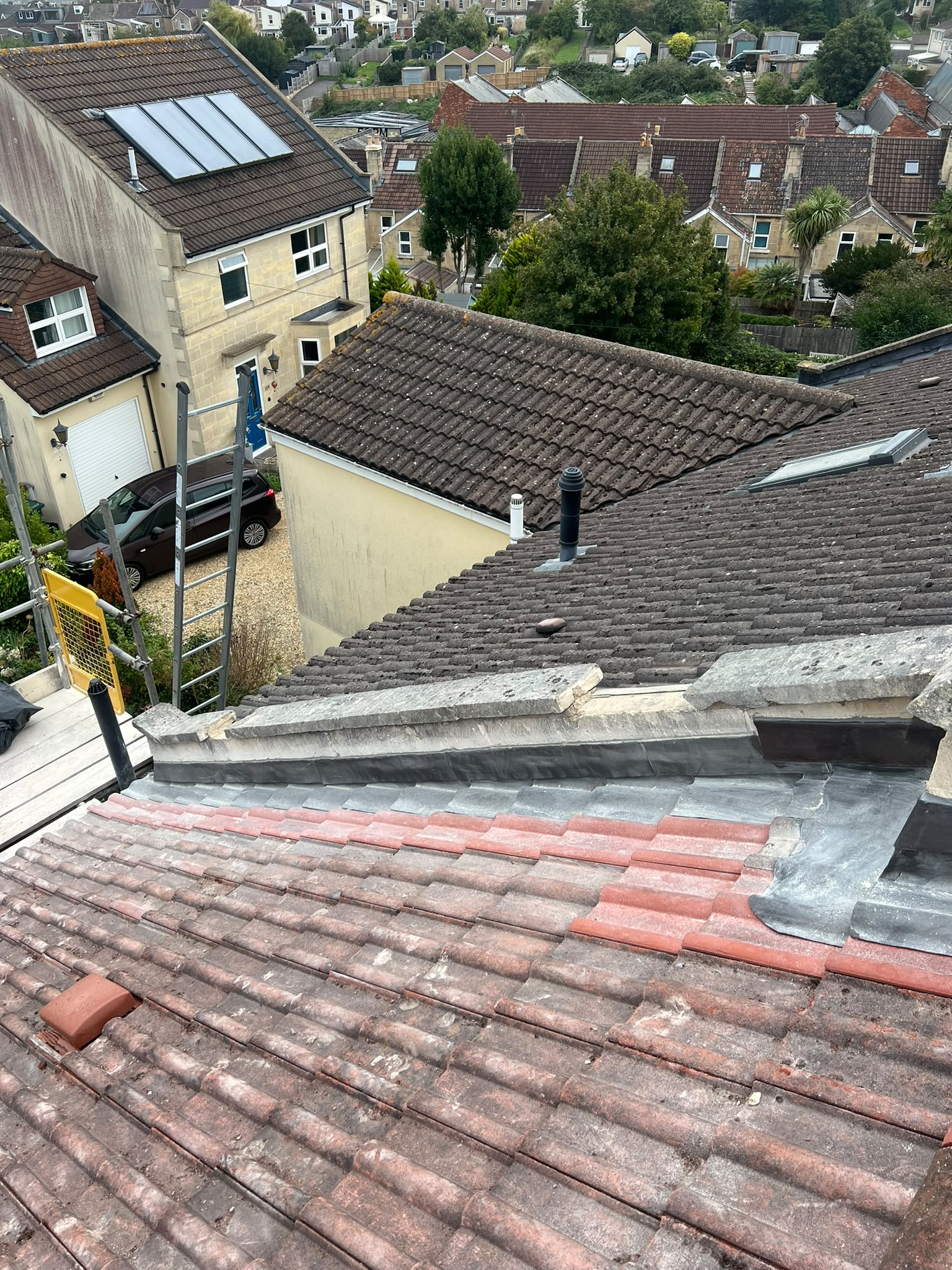
Roof joints around vents and chimneys are usually more exposed to movement than the rest of the roof surface. Over time, the metal pieces sealing those areas sometimes pull away slightly or develop tiny cracks after repeated weather exposure. Water then starts finding its way underneath during storms, even when the damage still looks fairly minor from outside. Flashing problems are one of the more common causes of hidden roof leaks because moisture enters gradually before obvious damage appears indoors.
Why Roof Flashing Fails During Heavy Rain
Metal flashing expands and contracts constantly throughout the year as temperatures shift between hot and cold conditions. Eventually seals weaken around joints and edges, especially on older roofs already exposed to years of harsh weather. Once strong wind and heavy rain arrive, water begins slipping into areas that previously stayed protected. It usually starts small before spreading wider during repeated storms.
Gutters Suddenly Fill with Roofing Debris After Stormy Weather
Roof surfaces usually shed more material as they begin ageing or weakening after repeated storms. Granules from shingles and small tile fragments often end up trapped inside gutters without homeowners noticing straight away. By the time the debris becomes obvious during cleaning, the wear overhead may already be fairly advanced. Once protective layers thin out, rainwater can start getting underneath much more easily.
Roofing Materials Often Deteriorate Before Major Leaks Appear
Roof surfaces normally wear down gradually rather than failing all at once. Protective coatings thin out, tiles loosen slightly, and small cracks begin forming after years of exposure to rain and wind. Nothing obvious at first maybe. Then one severe storm exposes those weaker areas more aggressively and debris begins appearing in gutters or around downpipes.
Small Roof Leaks Tend to Spread Far Beyond One Visible Area
Roof leaks rarely remain isolated to the exact spot where water first enters. Moisture naturally follows beams, insulation, and internal surfaces before finally becoming visible indoors. That movement makes smaller leaks surprisingly deceptive because the visible stain or drip may sit far away from the actual source. Left untreated, trapped moisture gradually weakens timber, damages plaster, and creates damp conditions inside loft spaces or ceiling cavities.
Hidden Water Damage Can Become Expensive Quickly
Some of the worst roof damage develops where nobody sees it at first. Damp insulation loses effectiveness while timber hidden behind ceilings slowly begins rotting underneath the surface. By the time stronger warning signs appear indoors, repairs often involve much more than fixing one small leak. That hidden spread is partly why emergency roof repairs become significantly more expensive once moisture reaches structural areas.
Older Roofs Become Much More Vulnerable During Extreme Weather Conditions
Weather exposure slowly changes the condition of roofing materials even when the roof still looks stable overall. Older shingles often become more brittle, protective seals weaken around joints, and worn areas begin struggling to keep moisture out properly during storms. The damage usually builds gradually in the background. Then severe weather arrives and the weaker sections start failing much more noticeably.
Ageing Roofing Materials React Differently During Storms
Older roofing systems tend to crack or separate more easily once exposed to strong wind and heavy rain. Materials that once flexed normally under pressure gradually lose that flexibility as they age. Repairs that once seemed minor can suddenly become major leaks after one severe weather event. It’s often a mix of age, previous wear, and repeated exposure slowly reducing the roof’s ability to keep moisture out effectively.
Some Early Roof Damage Signs Are Surprisingly Easy to Overlook
Roof damage doesn’t always announce itself clearly in the beginning. Sometimes it’s just a stale smell near the loft after rain or paint around the ceiling starting to look uneven in certain spots. Small mould marks near upper rooms can appear too. Those early changes often seem unrelated until moisture problems become much more obvious later on. Most people assume it’s condensation or general ageing inside the house. Meanwhile, moisture may already be building quietly somewhere above the ceiling space.
Early Roof Damage Doesn’t Always Look Serious
A lot of emergency roof repairs begin with warning signs homeowners dismissed months earlier because nothing looked especially urgent at the time. Small damp patches, faint stains, or occasional mould growth rarely create immediate concern. Still, roofing damage tends to spread gradually once moisture starts entering the structure repeatedly. Catching those smaller issues early often prevents much larger structural repairs later.
Knowing When to Call for Emergency Roof Repairs
Roof damage rarely stays at the same level for very long once moisture begins getting inside regularly. Small leaks can spread into ceilings and timber, while weakened roof sections become more vulnerable during every period of heavy weather. Emergency repairs are often about preventing that gradual spread before the underlying structure becomes affected as well.
Need Urgent Roof Repairs?
Small roofing issues can turn serious surprisingly quickly once water starts getting into the structure. Leaks, damaged flashing, and storm damage rarely improve on their own.
KN Roofing carries out emergency roof repairs throughout Bath. Contact us today for a rapid assessment and straightforward advice on the safest next steps
Services
Read More Of Our Blogs
From seasonal maintenance advice to expert roofing tips, our blog helps Bath homeowners stay informed and protected.