Discover the common causes of roof leaks in older homes, including flashing issues, blocked gutters, aging materials, and hidden damage.
Common Causes of Roof Leaks in Older Homes
Roof leaks rarely show up all at once. In older homes, it’s usually something that’s been building for a while. At first, it might just be a faint mark after rain or a patch that never quite dries. Easy to miss.
Leave it, and those small signs start to link together. Materials wear down, joints shift a little, and small gaps begin to appear. Water gets in, moves around, and doesn’t always show up where it started. That’s where it becomes harder to pin down.
Why Roof Leaks Are More Common in Older Homes
Older roofs have simply had more time to wear. Years of weather, movement, and small changes all add up. Nothing dramatic most of the time. It’s rarely one thing failing. More that everything is just slightly less tight than it used to be. Seals weaken, materials move, and small openings start to form. That’s usually enough.
Wear and Tear on Roofing Materials
Roofing materials don’t hold their condition forever. Shingles can become brittle, tiles may crack, and surfaces stop shedding water as cleanly. You don’t always see it happening. It’s gradual. A slight shift, a small gap, nothing obvious on its own. But enough for water to start getting through.
How Moisture Builds Up Inside the Roof
Not every issue comes from rain getting in. Sometimes moisture builds up inside the roof space, especially if airflow isn’t quite right. It can sit there without being noticed. Over time though, that dampness starts to affect things around it, even if everything looks fine from the outside.
Common Problem Areas Where Roof Leaks Start
Some areas come up more often than others. Usually where different parts meet, or where water naturally runs. Those spots deal with more pressure. On older roofs, they tend to be the first to show it.
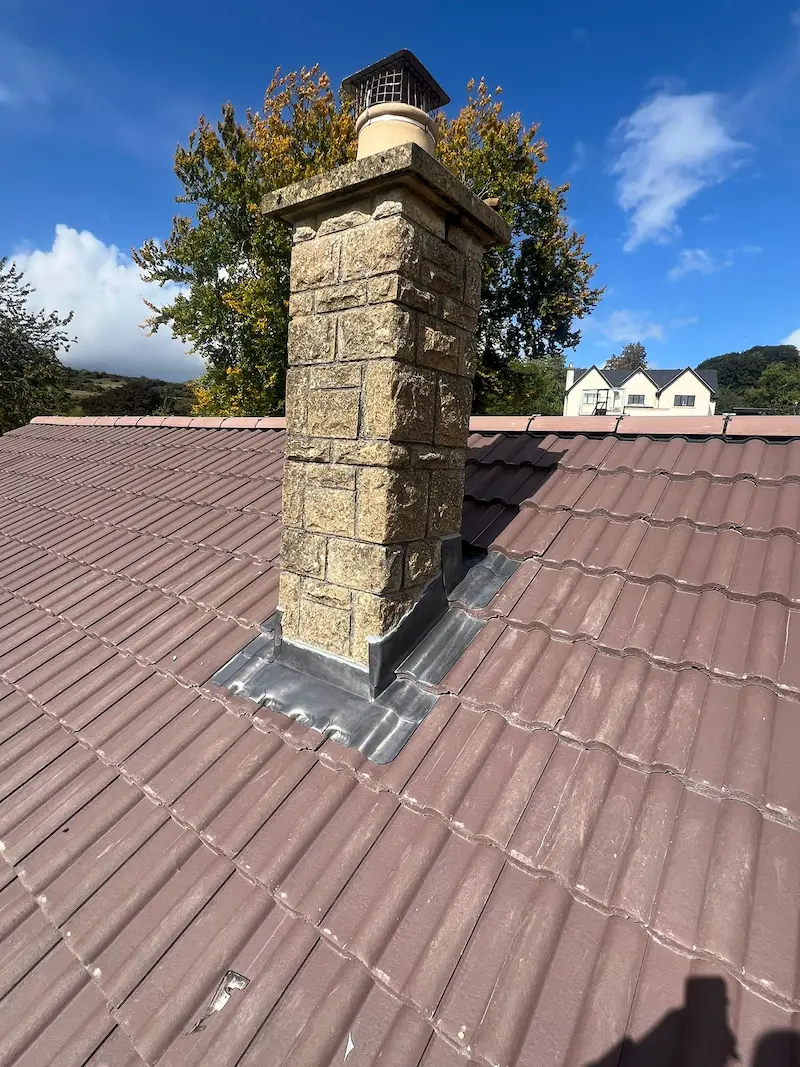
Chimney Flashing and Roof Joints
Around the chimney is a common one. Flashing seals the gap, but it doesn’t stay perfect. It can loosen or crack slightly without being obvious. That area also handles a lot of runoff. Even a small gap can be enough for water to get in.
Roof Valleys and Water Runoff Points
Roof valleys carry a steady flow of water, especially in heavier rain. They’re under constant strain because of it. If debris builds up or the surface starts to wear, water doesn’t always run off cleanly. It can sit longer than it should. That’s usually when problems start to show.
Roof Vents and Openings
Any opening in the roof relies on a seal. Vents and pipes are no different. Those seals don’t hold the same way forever. They can dry out or loosen slightly. It’s not always obvious at first, but it gives water a way in.
Worn or Cracked Shingles and Tiles
Shingles and tiles take the most exposure. Over time, they can crack, curl, or shift slightly out of place.
Once that outer layer is compromised, water doesn’t just run off. It starts getting underneath instead.
Aging Roof Surfaces and Membranes
On flatter roofs, membranes are what keep water out. As they age, small weak spots or splits can form. They’re not always easy to see. Leaks from these areas tend to build slowly rather than appear all at once.
General Deterioration Over Time
Even without obvious damage, materials don’t perform the same as they age. It’s usually a gradual change. That’s why leaks can sometimes appear without a clear cause. It’s not one big issue, just everything wearing down a bit.
Maintenance Issues That Lead to Roof Leaks
Not all leaks come down to age alone. In many cases, it’s a lack of maintenance that allows small issues to develop into something more noticeable. Older roofs are more affected because minor wear has already set in, so it doesn’t take much for problems to build from there. What starts small can eventually let water in.
Blocked Gutters and Water Overflow
Gutters can block up pretty quickly, especially once leaves start collecting. It doesn’t always look like much from the ground either. When that happens, water just sits there instead of draining away. It builds along the edge of the roof, and after a while it starts finding its way into places it shouldn’t. Under tiles, into small gaps, around joints. You don’t usually notice it straight away. It tends to show up later as damp inside, and by that point it’s been happening for a while.
Moss and Debris Build Up
Moss tends to sit on the surface and hold onto moisture. It doesn’t dry out quickly either, so parts of the roof stay damp longer than they should. Debris can make it worse. Bits gather in corners or along valleys where water already slows down. It builds up gradually. Those areas just don’t clear properly anymore, and that’s usually where things start to give.
Lack of Regular Roof Checks
It’s easy to leave it, especially if nothing looks obviously wrong. Most issues don’t stand out at first anyway. A loose tile, a small crack, something slightly out of place. You wouldn’t always notice it from the ground. The problem is it doesn’t stay like that. Given a bit of time, those small faults start to open up. By the time it’s clear something’s wrong, water has usually already worked its way in somewhere along the line.
Signs Your Old Roof May Be Leaking
It doesn’t always show up straight away. In a lot of cases, it starts with small things that are easy to overlook. You might notice a faint mark on the ceiling after rain, then it fades once things dry out. It’s easy to ignore because it doesn’t stick around. Other times, it’s just a slight damp smell, usually after wet weather, with no clear source. By the time water actually comes through, it’s rarely a new problem. It’s usually been there in the background for a while, just not obvious until that point.
Preventing Roof Leaks in Older Homes
It doesn’t take much to keep things in check. Most issues start small, so a quick look now and then goes a long way. Clearing out gutters, brushing off debris, checking nothing’s come loose. It won’t stop the roof ageing, but it does slow things down a bit. And usually, that’s enough to avoid bigger problems building up.
When to Repair or Replace an Older Roof
Sometimes it’s just one area causing trouble. In those cases, a repair is often all that’s needed. Other times, it’s not quite that simple. If issues keep coming back, or you’re noticing problems in more than one spot, it can point to the roof wearing out more generally. That’s usually when replacement starts to make more sense.
Getting a Roof Inspection or Repair
If you’re not sure what state the roof’s in, getting it checked is a reasonable place to start.
Most inspections are fairly straightforward. A general look over first, just to see if anything stands out. If something doesn’t look right, it usually leads to a closer check. Pick it up early and it tends to stay manageable. Leave it too long, and it often ends up being more involved than expected.
Arrange a Roof Inspection for Your Older Property
A small leak rarely stays small for long, especially on an older roof. Catching issues early can help prevent larger structural repairs later on.
We carry out roof leak inspections and repair work across Bath. Get in touch to arrange a free quote or professional roof assessment.
Services
Read More Of Our Blogs
From seasonal maintenance advice to expert roofing tips, our blog helps Bath homeowners stay informed and protected.